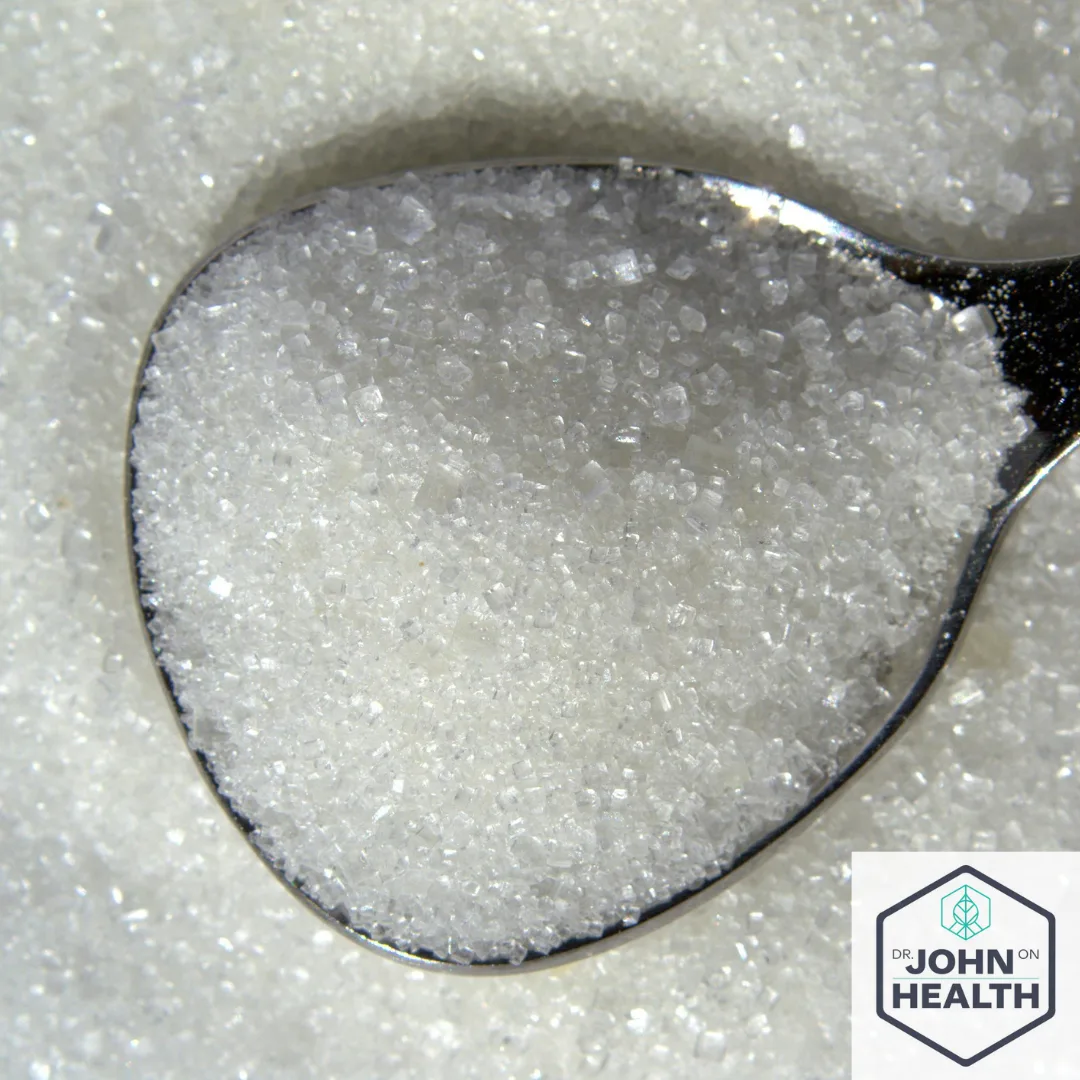
This week, I am sharing an article posted on USADailyStandard.
Few dietary changes generate more confusion and frustration than trying to reduce sugar consumption.
On the surface, it looks easy, and many individuals make sincere commitments to cut back. They remove or severely reduce table sugar and desserts from the house, avoid candy aisles, and promise themselves that tomorrow will be different.Yet cravings return.The cycle repeats.
Eventually, many conclude that they simply lack willpower. This belief is both common and misleading. The difficulty people experience when attempting to quit sugar has far less to do with character and far more to do with biology.
Human beings evolved to seek sweetness because the evolutionary imprint of sweetness means a valuable source of energy. Throughout most of human history, finding calorie-rich foods improved survival. The brain responded by rewarding these discoveries by creating the sensation of satisfaction and enjoyment. During periods of starvation, the control center created cravings and then rewarded intake with intense, dopamine-based enjoyment.
When our ancestors consumed fruit, honey, or other naturally sweet foods, reward pathways reinforced the behavior. The lesson was simple. Find this food again. That biological programming remains intact today. What has changed is the food supply. Modern consumers are surrounded by products containing concentrated forms of sugar that would have been unimaginable to previous generations.

Soft drinks, cereals, snacks, desserts, flavored yogurts, energy bars, and countless processed foods deliver sweetness in amounts rarely encountered in natural foods. The control center, not having experienced this during the evolutionary time, responds predictably. It activates the closest level of established programming – dopamine pathways involved in motivation and reward.
Each exposure strengthens associations between sweetness and pleasure. Over time, these pathways become increasingly efficient. The result is a learned expectation, but for a wrong reason. Instead of food being a source of energy for survival it has become the preferred medium of enjoyment, regardless of energy need. The brain begins anticipating sugar before it is consumed. Cravings develop. Habits form. Individuals often interpret these experiences as evidence of weakness.
In reality, they are experiencing normal neurological adaptations to repeated stimulation. This understanding changes the conversation. Instead of asking why people cannot control themselves, we should ask why the modern food environment continuously activates biological systems that evolved for survival. Another factor involves blood sugar fluctuations.
Many processed foods produce rapid increases in blood glucose followed by declines that stimulate hunger and cravings. The individual experiences a powerful urge to eat, often reaching again for sugary foods. This creates a self-perpetuating cycle. The solution is not harsher self-discipline.

The solution is to change the environment and reduce the triggers that reinforce these pathways. Foods made with natural ingredients and prepared traditionally digest more slowly and generally produce more stable energy levels.
As blood sugar fluctuations become less dramatic, cravings often become less intense. Many individuals discover that the urge for sugar decreases significantly after several weeks of eating minimally processed foods. Their biology begins adapting to a new pattern. This adaptation does not happen because they suddenly become stronger people.
It happens because the brain responds to a different environment. Understanding the biological basis of sugar cravings also helps eliminate unnecessary guilt. People struggling with sugar and sweetness are not broken. They are responding to reward systems that evolved to keep humans alive.
The challenge is that those systems now operate within a food environment unlike anything our ancestors experienced. Success comes from understanding this reality rather than fighting against it. The goal is not perfection. The goal is creating conditions that allow biology to work in your favor.
When people stop blaming themselves and start understanding how sugar affects the brain, lasting change becomes much more achievable. The battle against natural sugar is not won through willpower or no-calorie sweeteners.
It is won through knowledge, awareness, and a food environment that supports health rather than undermines it.