
Preeclampsia is one of the most serious complications of pregnancy. It typically develops after 20 weeks and is characterized by high blood pressure, often accompanied by other signs of organ dysfunction. It can threaten the health of both mother and baby and, in severe cases, progress to seizures, organ damage, premature delivery, or death. Worldwide, preeclampsia affects an estimated 3% to 8% of women who give birth.
For decades, researchers have appropriately focused on what happens during pregnancy—particularly changes involving the placenta and the maternal blood vessels that supply it. But I believe we should also be asking an earlier question:
Could some of the biological conditions that increase susceptibility to preeclampsia begin before a woman becomes pregnant?
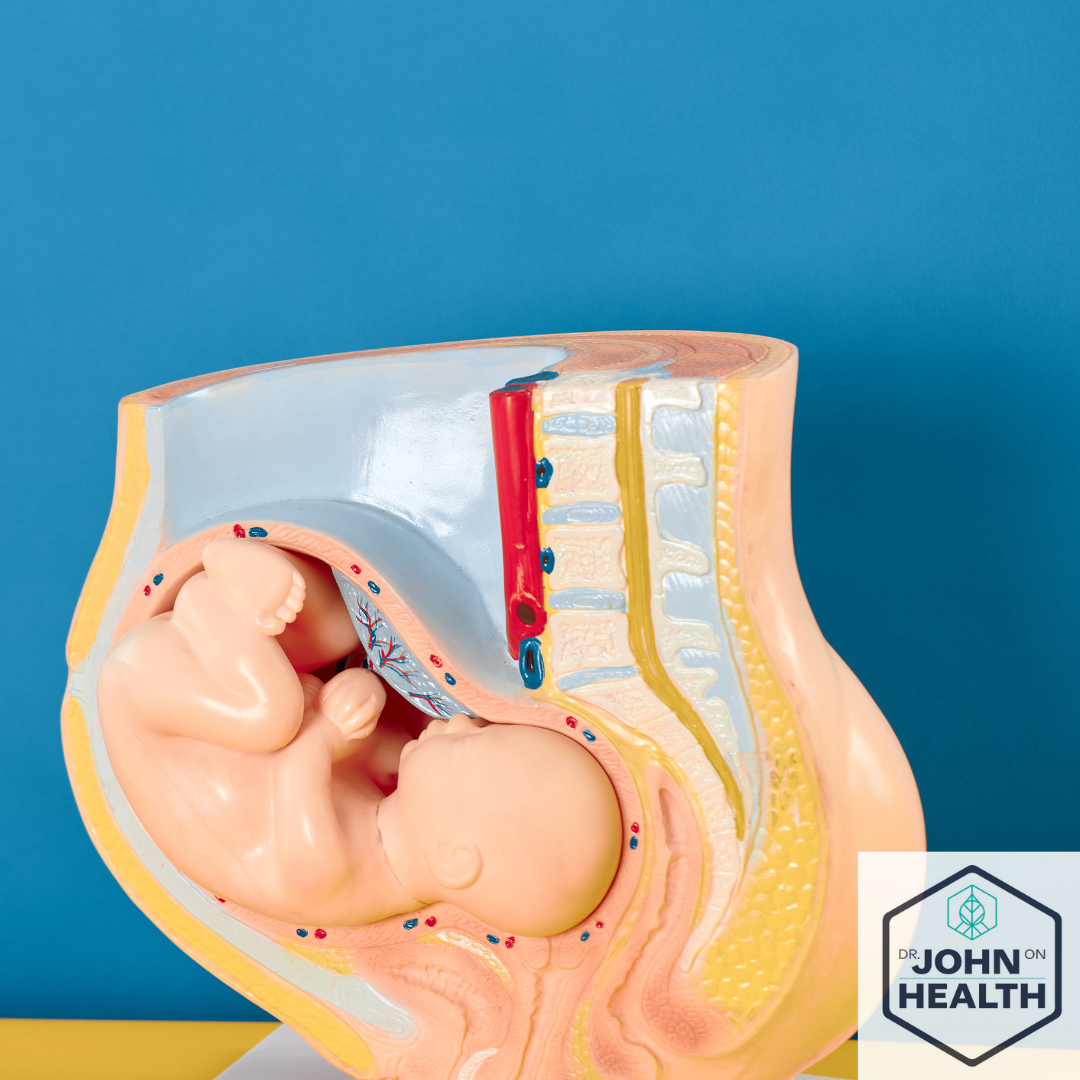
During a healthy pregnancy, the mother’s blood vessels undergo remarkable changes. Cells from the developing placenta called trophoblasts interact with and help remodel the mother’s spiral arteries. These arteries become larger, lower-resistance vessels capable of delivering the blood necessary to support the growing placenta and fetus.
In preeclampsia, this remodeling can be incomplete. The result may be reduced blood flow to the placenta, followed by oxidative stress, inflammation, abnormal signaling between the placenta and maternal circulation, and widespread dysfunction of the mother’s blood vessels. These processes are well established.
What remains less certain is why normal placental adaptation succeeds in most pregnancies but fails in others.
In my recent medical hypothesis, I propose that one possible contributor in some women may be chronic metabolic substrate overload occurring before conception. Our bodies continuously process nutrients from the foods we eat. Problems may arise when nutrient intake repeatedly exceeds the body’s immediate metabolic requirements and its capacity to safely handle and store those nutrients.
Over time, this metabolic environment could contribute to processes associated with vascular dysfunction, including oxidative stress, inflammation, endothelial dysfunction, and the formation of advanced glycation end products, commonly called AGEs. AGEs can form when sugars react with proteins and other molecules in the body. Their accumulation has been associated with increased vascular stiffness and impaired blood-vessel function. My hypothesis proposes that, in susceptible women, years of metabolic stress could potentially reduce the flexibility and adaptability of maternal blood vessels before pregnancy ever begins.
Pregnancy then presents those vessels with an extraordinary physiological challenge. If the uterine vascular system is already compromised, it may have less capacity to complete the extensive remodeling necessary for healthy placental development. This possibility remains a hypothesis and requires direct testing.
Consider some of the established risk factors for preeclampsia. They include obesity, diabetes, chronic hypertension, metabolic abnormalities, advanced maternal age, and first pregnancy, among others. These conditions are very different, and none guarantees that a woman will develop preeclampsia. But several can involve changes in vascular or metabolic health.
This raises an intriguing possibility: rather than viewing every risk factor as an entirely separate pathway, perhaps some converge in certain women by reducing the body’s metabolic and vascular reserve before or during pregnancy. That does not mean metabolism explains every case of preeclampsia. Genetics, immune regulation, placental biology, angiogenic signaling, and many other factors are involved. Preeclampsia is almost certainly not a single-mechanism disease.
Instead, maternal metabolic health may be one part of a much larger biological picture.
If metabolic and vascular changes precede pregnancy in some women who later develop preeclampsia, that would change how we think about prevention. Today, much of the attention understandably begins once pregnancy has started. Prenatal care is essential. Blood-pressure monitoring, appropriate testing, risk assessment, and established preventive and treatment strategies can save lives. But pregnancy may not necessarily be the beginning of the story. Future research could examine women before conception and measure indicators such as insulin levels, triglycerides, glucose tolerance, vascular stiffness, endothelial function, inflammatory markers, and AGEs. Researchers could then follow those women through pregnancy.
Do metabolic abnormalities appear before changes in placental biomarkers? Does poorer vascular health before pregnancy predict impaired placental blood flow? Could improving metabolic health before conception reduce the risk of developing preeclampsia?
These are testable questions.
The most important implication of this hypothesis is not that we already know how to prevent preeclampsia through diet. We do not. The implication is that we may need to expand the period in which we investigate risk.
A woman’s metabolic and vascular health in the months and years before conception could potentially influence how her body responds to the enormous physiological demands of pregnancy. If future research confirms that connection, preconception health could become an even more important part of maternal health. Preeclampsia appears after pregnancy begins. But in at least some women, the biological conditions that increase susceptibility may have been developing much earlier.
Understanding when the process truly begins could ultimately give medicine a longer—and potentially more powerful—window in which to protect mothers and babies.
John Poothullil, MD, FRCP, is a board-certified physician, award-winning author, and national health advocate focused on preventing lifestyle-related diseases through science-based, practical approaches. He practiced as a pediatrician and allergist for more than 30 years. His research and medical hypotheses explore metabolism, Type 2 diabetes, nutrition, and chronic disease. Through his books and advocacy, he encourages people to take a more active role in their long-term health. Follow him at DrJohnOnHealth.com.
This article is for educational purposes only and is not intended as medical advice. Pregnant women and those planning pregnancy should discuss individual risk factors, nutrition, medications, and preventive care with their healthcare providers.