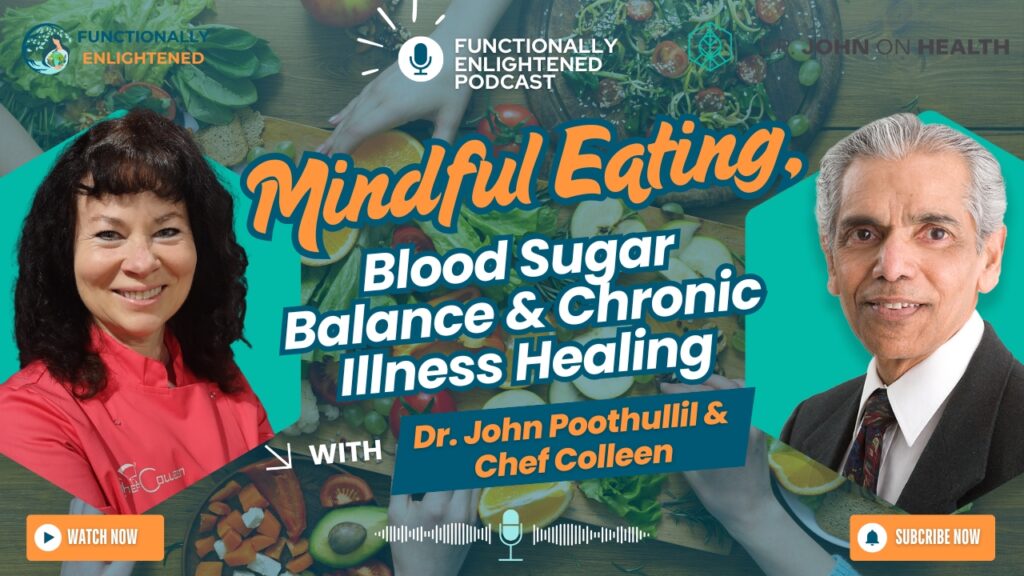
This week, that explores AstraZeneca’s recent $50 billion investment in drug development and questions whether the growing reliance on GLP-1 weight-loss medications truly addresses the root causes of obesity. It emphasizes that appetite-suppressing drugs fail to correct poor nutrition, food access, and metabolic health—and argues that lasting weight management begins with nutrient-dense, whole-food choices rather than lifelong medication. DailyBusinessJournal.
Recently, AstraZeneca announced it would invest $50 billion in drug research and manufacturing over the next five years. At first glance, that sounds like great news—more innovation, better treatment options, and improved access to healthcare.
But let’s ask the deeper question: What kind of drugs are they investing in?
Chances are, a significant chunk of that funding will go toward GLP-1-based medications for weight loss. After all, these drugs are wildly profitable and in high demand. But do they actually solve the obesity crisis?
The Real Issue: Misdirected Resources
GLP-1 medications suppress appetite, but they don’t teach people how to eat better. They don’t address food deserts, nutrition education, or the flood of ultra-processed foods that dominate supermarket shelves.
What if even a fraction of that $50 billion were spent on:
- Nutrition education in schools
- Subsidies for fresh produce
- Cooking classes in underserved communities
Public campaigns on whole-food nutrition

That would be a game-changer.
Drugs like Ozempic might offer a quick fix, but real health begins with food—and food begins with education, access, and informed choices.
As consumers, patients, and citizens, we should be asking not just what medications are available—but why we need them in the first place.

GLP-1 drugs have skyrocketed in popularity for their ability to suppress appetite and promote weight loss. But as with any medication, short-term benefits often come with long-term tradeoffs—and that’s especially true here.
What Happens When You Keep Suppressing Hunger?
Your brain doesn’t send hunger signals just to annoy you—it does so because your body needs nutrients to survive. If you continually suppress those signals, you’re disrupting a biological system that has evolved over thousands of years to keep you healthy.
Here’s what can happen over time:
- Nutrient deficiencies from chronically low food intake
- Muscle loss due to insufficient protein consumption
- Malnutrition despite calorie reduction
- Weakened organs and poor cellular function
And remember—these medications weren’t designed to be taken for a few weeks or months. To maintain the weight loss, users are often told they’ll need to stay on the drug indefinitely.

The Rebound Effect
Worse still, many people regain the weight once they stop the medication. That’s because the underlying eating habits and nutrient imbalances were never addressed. The drug merely masked the symptoms.
Once the GLP-1 is removed, hunger comes roaring back—and the pounds follow.
In the next article, we’ll explore a safer, more sustainable way to lose weight: one that doesn’t involve lifelong injections or risking your health.
The Real Solution to Losing Weight and Keeping It Off
Here’s the core principle I want you to walk away with: eat for nutrition.
That’s it.
Forget drug-based solutions, restrictive diets, and theories that blame your brain or motivation. Your brain is working exactly as it should—it’s trying to protect you. But it can only work with what you give it. Feed it nutrient-dense foods, and you will feel full, satisfied, and less likely to overeat.
This means:
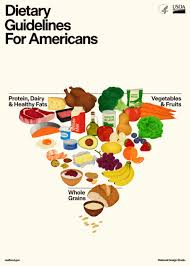
- Eating a wide variety of whole foods: fresh fruits, vegetables, meats, fish, dairy, nuts, seeds.
- Reducing your reliance on grains and grain-based products to no more than 25–30% of your diet.
- Avoiding ultra-processed foods with high calories and low nutrient value.
This isn’t just theory. It’s the basis for my latest book, Beat Unwanted Weight Gain: 7 Ways to Lose Pounds and Never Regain Them. My seven methods are grounded in science and common sense. No drugs. No gimmicks. Just a deep understanding of how your brain and body work together to keep you alive.
Remember: hunger is not your enemy. Your body is not broken. You’re not addicted. You just need to eat the right foods in the right way. When you align with your biology, weight loss becomes natural, and maintenance becomes effortless.
You are always in control of your hunger, your cravings, and your choices. And your brain is always on your side.
The author of the award-winning book, Diabetes: The Real Cause and the Right Cure, and Nationally Syndicated Columnist, Dr. John Poothullil, advocates for patients struggling with the effects of adverse lifestyle conditions.
Dr. John’s books, available on Amazon, have educated and inspired readers to take charge of their health. You can take many steps to make changes in your health, but Dr. John also empowers us to demand certain changes in our healthcare system. His latest book, Beat Unwanted Weight Gain, reveals the seven most essential strategies for shedding pounds—and keeping them off for good.

Revolutionize Your Approach to Weight Loss
Award-winning author Dr. John Poothullil introduces a life-changing perspective on shedding pounds without restrictive diets. In Beat Unwanted Weight Gain, you’ll discover seven science-based strategies to take charge of your health, make informed choices, and achieve real, lasting results.
Your transformation starts now!

Unlock your body’s natural ability to reclaim health.
Dr. John Poothullil, a physician with over 30 years of Type 2 diabetes expertise, dismantles misleading pharmaceutical-first narratives and reveals how mindful diet and lifestyle changes can reverse the disease. This evidence-based guide empowers you with clear, actionable steps—no lifelong medications required. Learn how to balance nutrients, control blood sugar, and build lasting habits rooted in science. If you’re ready to beat diabetes the natural way, this book is your roadmap to lasting freedom.