This week, I am sharing an article and audio. The article discusses how to support a healthy gut microbiome and how your food choices directly affect digestion, immunity, metabolism, and long-term disease risk. It emphasizes that modern diets—especially those high in grain-based carbohydrates—disrupt the body’s natural hunger and metabolic regulation. The article was originally posted on USADailyPost.
To promote a healthy gut and overall wellness, it’s essential to nourish the beneficial bacteria living in your digestive system. These microbes influence digestion, immunity, mood, and even chronic disease risk. Here’s how to strengthen them—and how your food choices can affect far more than your gut.
1. Consume Prebiotics
Prebiotics are nondigestible compounds that reach the large intestine intact, where they feed beneficial bacteria. Think of them as fertilizer for your microbiome. Many foods and supplements now include prebiotics, which help improve digestion, nutrient absorption, and immune resilience. Fiber-rich vegetables, beans, and seeds are excellent natural sources.
2. Consume Probiotics
Probiotics are live microorganisms that improve intestinal microbial balance and confer multiple health benefits. Fermented foods like yogurt, kefir, buttermilk, sauerkraut, kimchi, and kombucha are rich in probiotics. These foods not only aid digestion but may also reduce anxiety and depression by supporting communication between the gut and brain—a link often called the “gut–brain axis.”
3. Eat Fresh Vegetables and Foods High in Resistant Starch
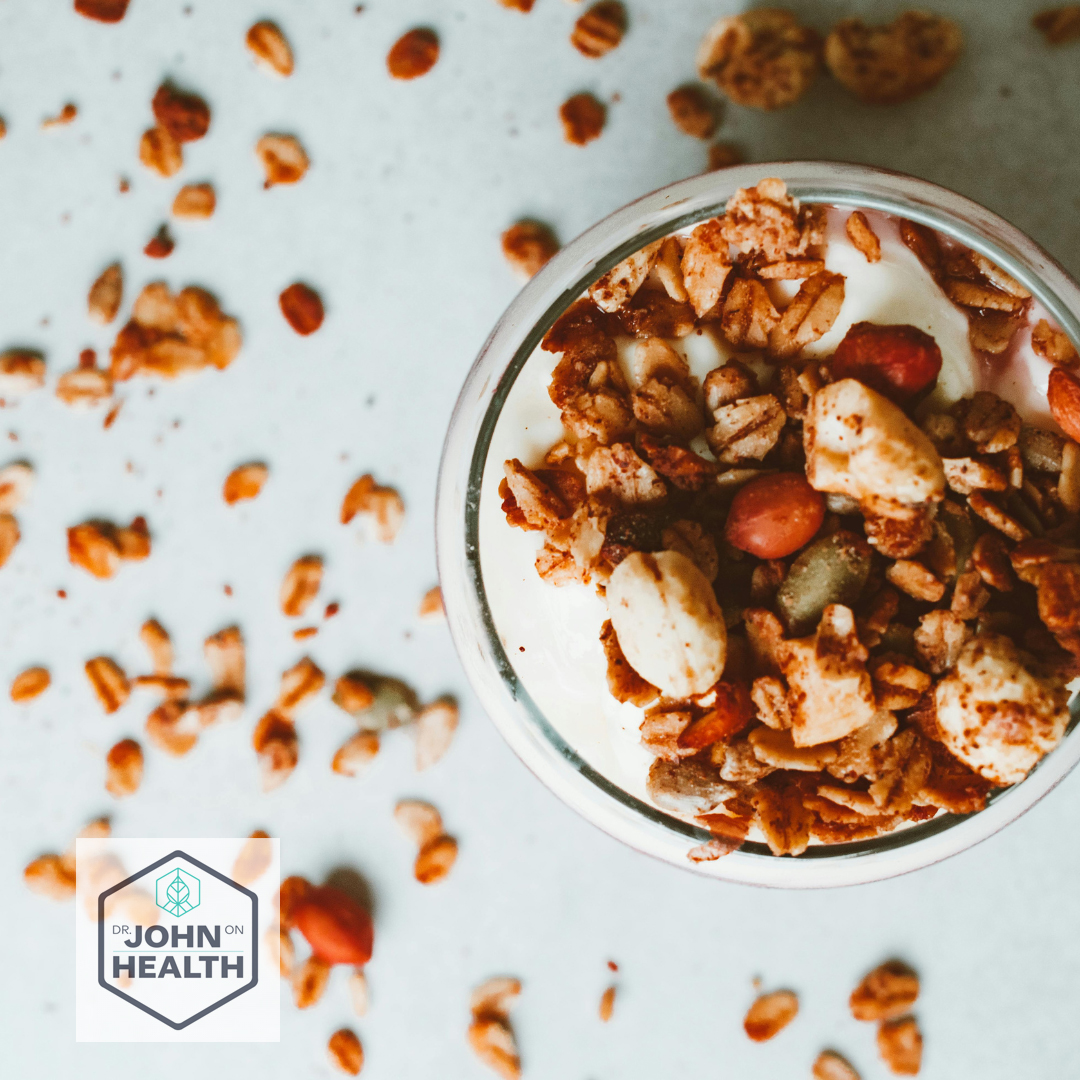
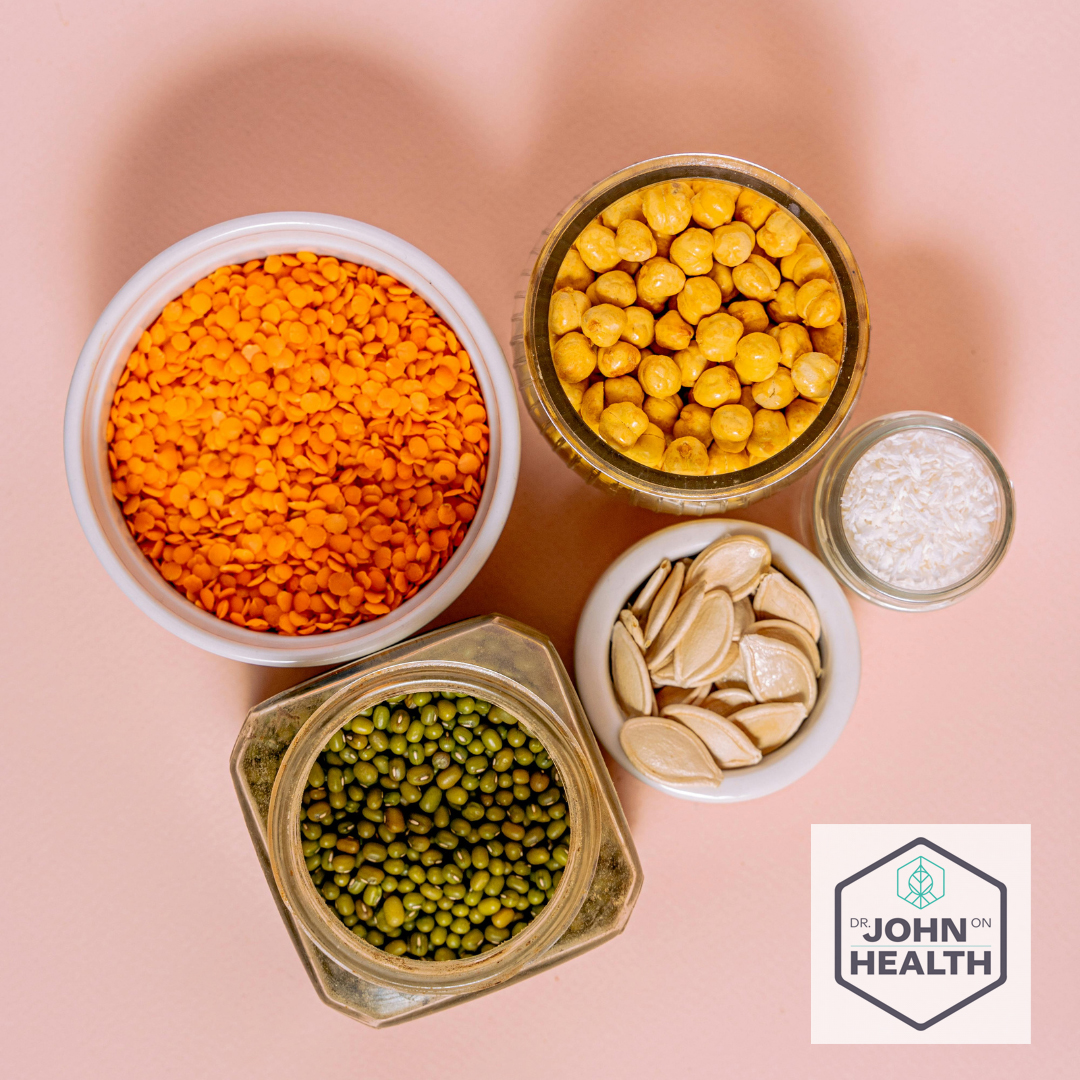
Resistant starches, found in foods such as chicory, garlic, leeks, beans, lentils, and seeds, are not digested in the small intestine. Instead, they travel to the colon, where they serve as fuel for beneficial bacteria. Some processed foods also include added resistant starch. A small number of people experience bloating or flatulence from these foods, as fermentation releases gas; if that happens, an over-the-counter medication containing simethicone can provide relief.
4. Limit Grain-Based Products
Grain and grain-flour products—including wheat, corn, and rice—are dense in complex carbohydrates. These foods often require added salt for flavor, which can promote the growth of Helicobacter pylori (H. pylori), a bacterium linked to ulcers, gastritis, and even stomach cancer. Reducing grain intake helps protect the stomach lining and encourages a healthier balance of gut bacteria. Replacing refined grains with vegetables, legumes, and fruits provides fiber and nutrients without feeding harmful microbes.
5. Support Your Immune System
Your immune system and gut microbiome work together to defend the body. Molecules such as lactoferrin—found in milk, saliva, tears, and nasal secretions—have antimicrobial properties that prevent H. pylori from attaching to the stomach wall. Meanwhile, white blood cells and antibodies patrol constantly for pathogens, learning to distinguish friend from foe. A strong microbiome and a balanced immune system reinforce each other.
Natural Sugar vs. Blood Sugar
Many people assume that consuming natural sugar raises blood sugar the same way refined carbohydrates do—but that’s not the case.
Sucrose, found in fruits, sugar cane, and beets, contains equal parts glucose and fructose. Glucose is absorbed quickly and raises blood sugar almost immediately, while fructose is processed more slowly by the liver before entering circulation. As a result, eating fruit does not spike blood sugar as rapidly as eating bread, cereal, or potatoes.
The same is true for lactose, the natural sugar in milk. Made of glucose and galactose, it requires liver metabolism before affecting blood sugar. Unfortunately, the medical community has not clearly communicated these distinctions, leading many people—especially those with Type 2 diabetes—to fear natural sugars in whole fruits unnecessarily. Research shows that natural sugars from fruits and vegetables do not worsen diabetes outcomes when consumed in moderation.
Understanding Carbohydrates
Complex carbohydrates—like those in grains—are long chains of glucose molecules tightly packed together. A single starch molecule may contain hundreds of thousands of glucose units. Because these molecules are too large to trigger sweet taste receptors, foods like bread or pasta may not taste sweet—but they still convert to sugar once digested.
Every carbohydrate, whether whole or refined, ultimately breaks down into glucose. Bread, rice, pasta, cereal, and even grain-based batters all deliver sugar to the bloodstream—just in slower, disguised forms. People rarely think of a sandwich or bowl of cereal as a “sugar meal,” but metabolically, that’s what it is. A serving of whole-grain cereal, for example, delivers glucose to the bloodstream much like a bowl of sugar would—only less obviously.
Why Quantity Matters
It’s not only the type of carbohydrate that matters—it’s how much you eat. Evidence shows that if carbohydrates provide less than about 35 percent of your daily calories, you are far less likely to experience blood sugar spikes or develop Type 2 diabetes.
In most modern diets, however, carbohydrate intake far exceeds this threshold. Since the mid-20th-century agricultural boom, the share of daily calories from complex carbohydrates—mainly wheat, rice, and corn—has climbed to around 50 percent in developed nations and as high as 70 percent in developing ones.
When glucose intake exceeds the body’s energy needs, the liver converts it into fatty acids. These can take two main paths. In one, they become triglycerides stored in fat cells, leading to weight gain. Once fat cells are full, excess glucose lingers in the blood, causing elevated blood sugar, prediabetes, and eventually Type 2 diabetes—not because of “insulin resistance,” but because of chronic glucose oversupply.
In the other pathway, fatty acids turn into cholesterol, which can accumulate in arteries and lead to heart disease or stroke. Excess glucose may even accelerate cancer cell growth. If global carbohydrate consumption remains high, we could see future epidemics of Alzheimer’s and dementia—conditions now linked to long-term glucose toxicity in the brain.
The Takeaway
To maintain lifelong health, focus on feeding your beneficial gut bacteria and limiting foods that overfeed harmful microbes or overload the body with glucose. Understand that not all sugars are created equal: natural sugars from fruits, vegetables, and dairy are part of a balanced diet, while excessive intake of grain-based complex carbohydrates fuels the chronic diseases of modern life.
A thriving gut and a steady metabolism depend on one simple principle: feed your microbiome, not your cravings.
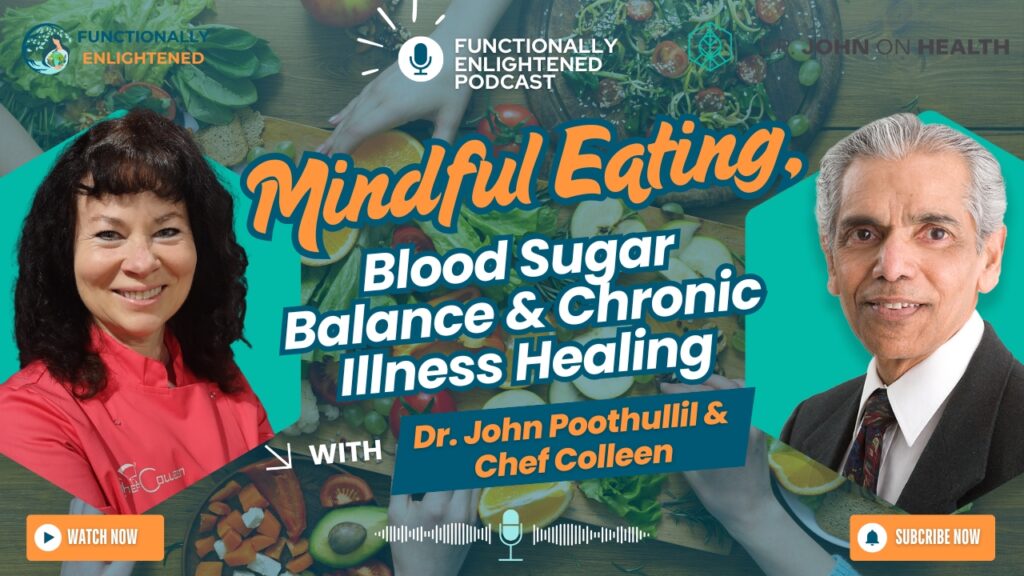
The audio is that explores a groundbreaking shift in how we understand and manage Type 2 diabetes. Rather than focusing solely on “insulin resistance,” Dr. John introduces a simpler, science-backed explanation—the fuel overflow model, rooted in the Randle Cycle. The discussion reframes Type 2 diabetes as a problem of excess fuel and storage overload, not broken biology, and examines why diet—not more medication—may be the best first step for many adults. . The audio was originally posted on USADailyStandard.
The author of the award-winning book, Diabetes: The Real Cause and the Right Cure, and Nationally Syndicated Columnist, Dr. John Poothullil, advocates for patients struggling with the effects of adverse lifestyle conditions.
Dr. John’s books, available on Amazon, have educated and inspired readers to take charge of their health. You can take many steps to make changes in your health, but Dr. John also empowers us to demand certain changes in our healthcare system. His latest book, Beat Unwanted Weight Gain, reveals the seven most essential strategies for shedding pounds—and keeping them off for good.

Revolutionize Your Approach to Weight Loss
Award-winning author Dr. John Poothullil introduces a life-changing perspective on shedding pounds without restrictive diets. In Beat Unwanted Weight Gain, you’ll discover seven science-based strategies to take charge of your health, make informed choices, and achieve real, lasting results.
Your transformation starts now!

Unlock your body’s natural ability to reclaim health.
Dr. John Poothullil, a physician with over 30 years of Type 2 diabetes expertise, dismantles misleading pharmaceutical-first narratives and reveals how mindful diet and lifestyle changes can reverse the disease. This evidence-based guide empowers you with clear, actionable steps—no lifelong medications required. Learn how to balance nutrients, control blood sugar, and build lasting habits rooted in science. If you’re ready to beat diabetes the natural way, this book is your roadmap to lasting freedom.