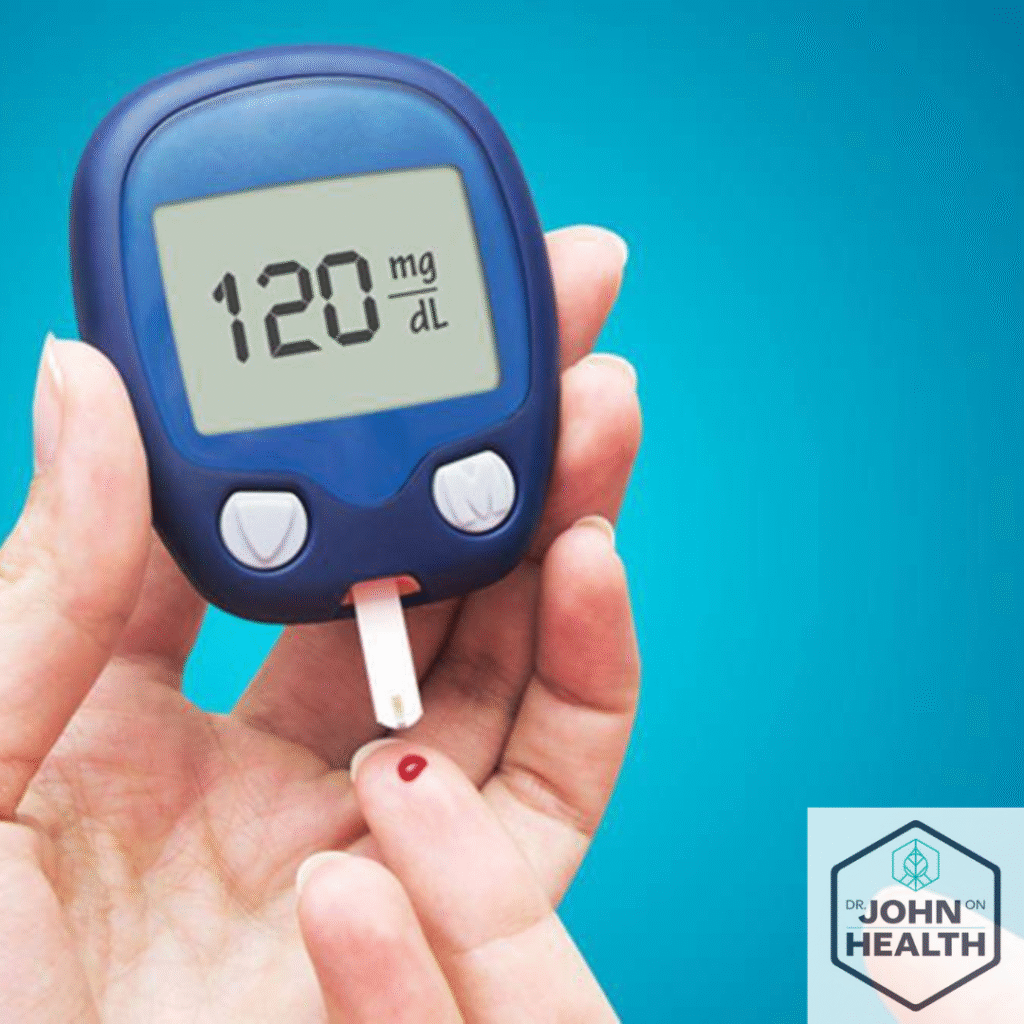
This week, I am sharing an article. It discusses how obesity continues to rise not because of laziness or lack of willpower, but because modern nutrient-poor, carbohydrate-heavy diets disrupt the body’s biological hunger and insulin signals. Weight gain is often a sign of metabolic imbalance driven by survival mechanisms—not personal failure. The article was originally posted on DailyTelegraphUSA
Three out of four American adults are now overweight or obese, and the numbers continue to rise. It is a national health crisis that has been growing for decades. Experts have been suggesting that dietary habits and sedentary lifestyles are the major factors for the rising incidence of unwanted weight gain and keep insisting on the same message: eat less, move more, try harder.
Evidence shows that people, aware of the health consequences of obesity, are dieting, exercising and, in general, trying harder. If willpower worked, obesity would not exist. Yet the number of people gaining weight continues to rise. When a problem grows while people are genuinely trying to implement the solution, it is time to consider the possibility that the solution may be missing something important.
Let me suggest a different way to look at the problem and the solution: The body is responding normally, but to the wrong signals.

Hunger is not an intellectual or emotional issue. It is a biological process that provides over 100 nutrients needed for the body’s healthy functioning. When your body lacks the nutrients it needs, your brain creates hunger. When you eat food that contains essential nutrients, you feel satisfied. In short, your brain tells you when to eat, what to eat and how much to eat, based on the need for energy and nutrients.
Most prescribed diets focus on restriction: fewer calories, smaller portions, less food. But restriction without nourishment tells the brain that survival may be threatened. The brain does not care about diet rules. It cares about staying alive. When the food intake control center detects declining energy or missing nutrients, it triggers hunger and/or increases cravings. That is why dieting often feels like fighting your own mind. Eventually, biology wins. Weight regain is not failure; it is the body reacting to what it perceives as a threat. Let me explain.

In the modern dietary environment, the base of most available, affordable and conveniently packaged foods is complex carbohydrates from cultivated grains, which, upon digestion, release a large quantity of glucose into the blood. When food lacks essential nutrients, the brain does not feel satisfied and continues to signal for more, leading you to reach for the same foods. When refined carbohydrates are the main carriers of needed nutrients, blood sugar rises quickly and insulin is released proportionately. If the blood sugar spike results in excess insulin release, that could lead to a sugar crash and your brain demands even more food. This means that when your metabolism is confused by modern food, your brain keeps pushing you to eat. This is not weakness—it is survival biology.
In addition, insulin prompts the liver to convert the excess glucose into fat and this leads to weight gain. At the same time, when blood sugar levels drop, nerve cells and red blood cells, which primarily rely on glucose for energy, signal the control center that fuel is low. In response, the control center creates the sensation of hunger and prompts muscles that can easily generate energy from fat to get up, move and procure food. This is not a lack of discipline. It is a biological reaction that leads to overeating and weight gain. This creates a powerful loop: eat, spike, crash, crave, eat again. That loop—not lack of willpower or laziness—is what drives overeating and weight gain.
In other words, weight gain itself is not the disease, as evidenced by people who are classified as obese but medically healthy. But when weight gain leads to metabolic disturbances, it is a signal that the system is out of balance. Just as a fever signals infection, weight gain signals metabolic stress. Breaking the thermometer does not cure the fever, and shaming weight does not fix metabolism.
This series exists to challenge the stories we have been told about weight and diabetes. I will explain why some common explanations do not hold up and what actually drives weight gain and rising blood sugar. This is not about quick fixes or extreme diets. It is about learning the workings of your body so that you can modify your food habits based on understanding the biology rather than fighting it.
When you understand the system, you can change the outcome.
Next in the series:
Why Sugar Is So Hard to Quit
The author of the award-winning book, Diabetes: The Real Cause and the Right Cure, and Nationally Syndicated Columnist, Dr. John Poothullil, advocates for patients struggling with the effects of adverse lifestyle conditions.
Dr. John’s books, available on Amazon, have educated and inspired readers to take charge of their health. You can take many steps to make changes in your health, but Dr. John also empowers us to demand certain changes in our healthcare system. His latest book, Beat Unwanted Weight Gain, reveals the seven most essential strategies for shedding pounds—and keeping them off for good.

Revolutionize Your Approach to Weight Loss
Award-winning author Dr. John Poothullil introduces a life-changing perspective on shedding pounds without restrictive diets. In Beat Unwanted Weight Gain, you’ll discover seven science-based strategies to take charge of your health, make informed choices, and achieve real, lasting results.
Your transformation starts now!

Unlock your body’s natural ability to reclaim health.
Dr. John Poothullil, a physician with over 30 years of Type 2 diabetes expertise, dismantles misleading pharmaceutical-first narratives and reveals how mindful diet and lifestyle changes can reverse the disease. This evidence-based guide empowers you with clear, actionable steps—no lifelong medications required. Learn how to balance nutrients, control blood sugar, and build lasting habits rooted in science. If you’re ready to beat diabetes the natural way, this book is your roadmap to lasting freedom.