This week, I am sharing an article. It explains that sugar cravings persist not because of weak willpower, but because modern processed foods and refined carbohydrates trigger brain reward pathways and blood-sugar spikes that create cycles of craving. These foods often lack essential nutrients, so the body keeps signaling hunger, making cravings a biological response to poor nourishment rather than a personal failing. The article was originally posted on USADailyTimes
If sugar is so bad for us, why is it so hard to stop eating it?
People are told that sugar is bad and they should be disciplined to quit sugar. But if willpower worked, sugar habituation would not exist. The real issue is not weakness—it is biology. But first, let us define the term “sugar”. As commonly used, it can represent natural sugar (sucrose), added sugar (high-fructose corn syrup), or blood sugar (glucose).
Natural sugar
Natural sugar, sucrose, is found in fruits, berries, sugar cane, sugar beets, and other crops that can be boiled down to produce sugar. Many people believe that eating any natural sugar raises blood sugar. The fact is that small amounts of sugar used to sweeten coffee or tea are not sufficient to cause a significant elevation of blood sugar.
High-fructose corn syrup
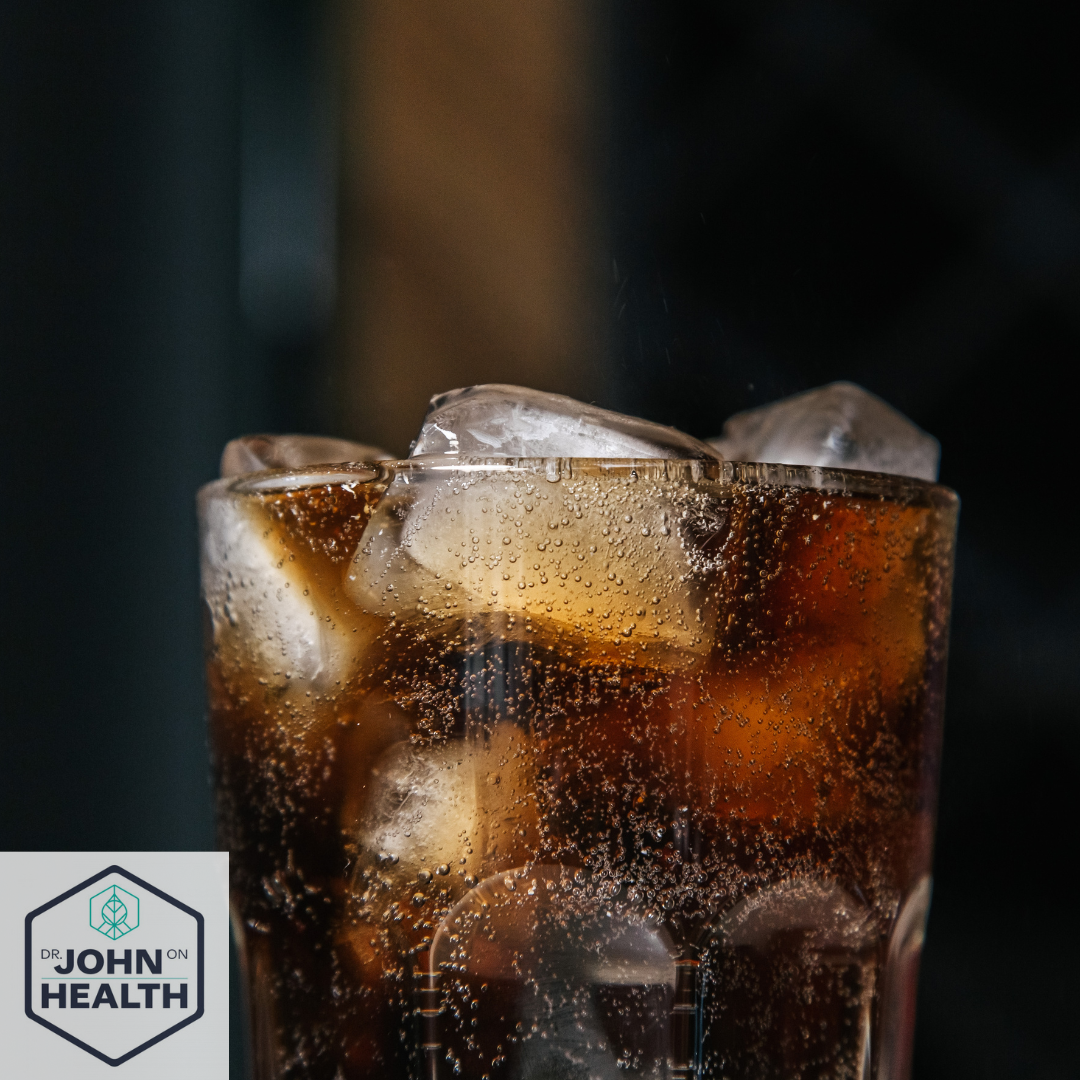
High-fructose corn syrup is commonly added to soft drinks. Once you get used to the sweetness and the flavor of the preparation, it can be habit-forming to the point of prompting you to drink it each time you feel thirsty. This can unnecessarily increase your blood sugar and contribute to unwanted weight gain.
Blood sugar
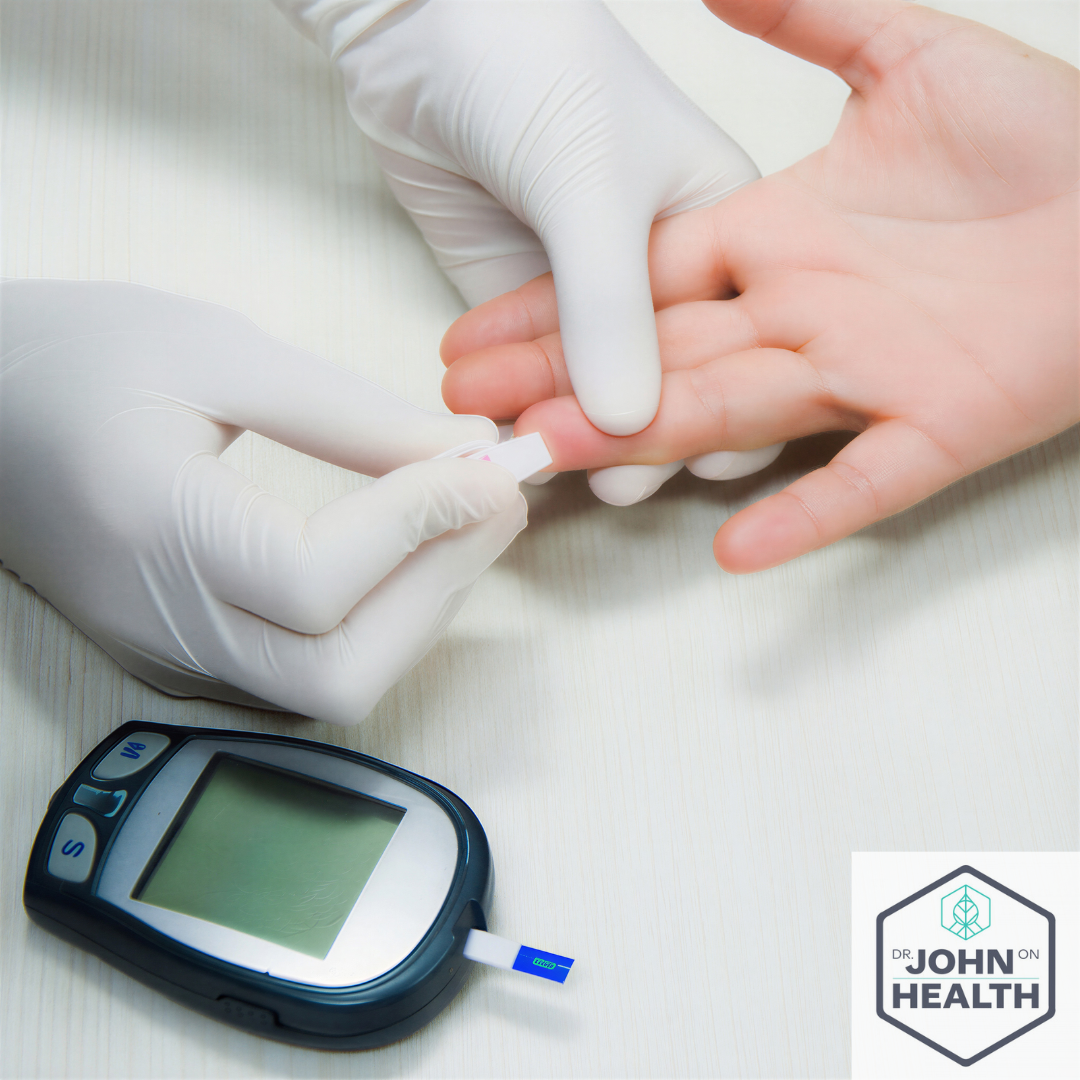
In the modern diet, the main culprit contributing to high blood sugar is foods made with complex carbohydrates, mostly coming from cultivated grains, that, upon digestion releases a large quantity of glucose into the bloodstream. For example, many people make pastries with reduced sugar (sucrose), believing they can consume more of them without realizing that the flour used likely contributes more sugar (glucose) than the natural sugar they contain. This also means that eating a piece of fruit for breakfast or dessert doesn’t cause the same blood sugar peak as an equal amount of carbohydrate in a grain-based product such as toast, muffins, cake, or pie.
The role of sugar.
The sensation of sweetness coming from natural sugar reassures the brain that the energy needed for metabolic functions is on its way. However, if you get habituated to eating snacks that are deliberately prepared to enhance the visual appeal, mouth feel and flavor with the help of sugar, fat, salt, and additives, your brain releases dopamine, a chemical linked to pleasure and motivation. Repeatedly engaging in this activity trains your brain to associate sweetness with reward and to treat such food as a way to experience emotional relief.
But a major drawback is that most of these snacks may not contain vitamins, minerals, fatty acids, amino acids, minerals and micronutrients your body needs. When it does not get what it needs, your brain keeps sending hunger signals—not because you need more calories, but because you need more nutrition.
In short, most often, sugar cravings are either a cultivated coping mechanism or a biological response to nutritional imbalance.
In addition, grain-based snacks can cause blood sugar spikes. If blood glucose rises quickly, insulin is released, and blood sugar often drops too low. Your brain senses danger and demands fuel. The fastest fuel is sugar, so the cycle continues: spike, crash, crave, repeat.
After noticing weight gain, many people try to reduce sugary snack intake. But sometimes they feel irritable, tired, foggy, anxious, or low. The real solution is not deprivation—it is restoration. When you eat nutrient-dense food, blood sugar becomes stable, and the brain stops demanding sugary snacks.
Real food that contains nutrients such as essential fatty acids and essential amino acids, along with energy, minerals, micronutrients and fiber help with cell maintenance, repairs and regeneration. It also boosts the immune system, assists digestion and feeds healthy bacteria in the gut. When your meals provide a variety of nutrients, cravings quit.
In short, modern food teases the brain. It is pleasing to eat, but delivers little nourishment. That leaves you hungry even after eating to fullness. Sugar cravings drive overeating, blood sugar instability, fat storage, and metabolic stress. Looking this way, weight gain is a signal that something deeper is wrong.
Fix the nourishment. Fix the fuel. Fix the signal.
Next in the series:
Smart Food Choices to Prevent Diabetes
The author of the award-winning book, Diabetes: The Real Cause and the Right Cure, and Nationally Syndicated Columnist, Dr. John Poothullil, advocates for patients struggling with the effects of adverse lifestyle conditions.
Dr. John’s books, available on Amazon, have educated and inspired readers to take charge of their health. You can take many steps to make changes in your health, but Dr. John also empowers us to demand certain changes in our healthcare system. His latest book, Beat Unwanted Weight Gain, reveals the seven most essential strategies for shedding pounds—and keeping them off for good.

Revolutionize Your Approach to Weight Loss
Award-winning author Dr. John Poothullil introduces a life-changing perspective on shedding pounds without restrictive diets. In Beat Unwanted Weight Gain, you’ll discover seven science-based strategies to take charge of your health, make informed choices, and achieve real, lasting results.
Your transformation starts now!

Unlock your body’s natural ability to reclaim health.
Dr. John Poothullil, a physician with over 30 years of Type 2 diabetes expertise, dismantles misleading pharmaceutical-first narratives and reveals how mindful diet and lifestyle changes can reverse the disease. This evidence-based guide empowers you with clear, actionable steps—no lifelong medications required. Learn how to balance nutrients, control blood sugar, and build lasting habits rooted in science. If you’re ready to beat diabetes the natural way, this book is your roadmap to lasting freedom.