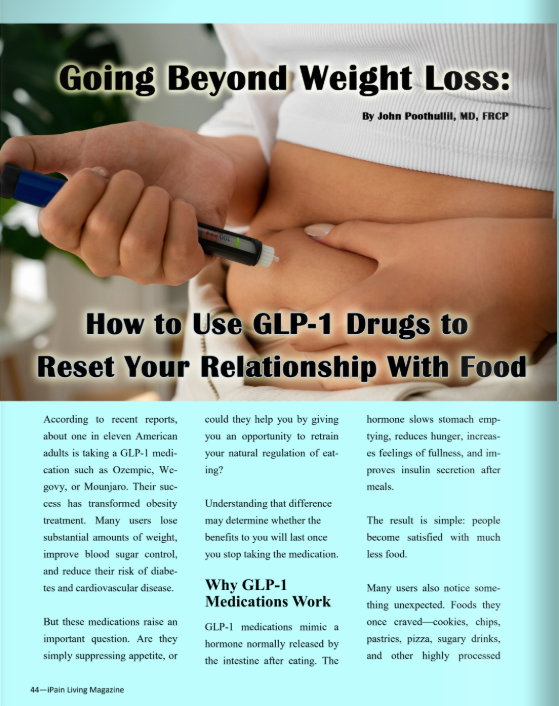
This week, I am sharing an article posted on USADailyPost.
Walk through any grocery store and you will see thousands of products competing for your attention. Bright packaging, health claims, cartoon mascots, irresistible aromas, and carefully designed labels all serve one purpose: to get you to buy and consume more food.
Most people assume hunger is a straightforward biological signal. Your body needs fuel, so you feel hungry. You eat, and the hunger disappears.
Unfortunately, modern food marketing has complicated this relationship.
Today, many people experience hunger that has less to do with the body’s actual nutritional needs and more to do with environmental cues designed to stimulate appetite. As a result, millions struggle with weight gain, obesity, and Type 2 diabetes while believing they simply lack willpower.
The truth is far more complicated.
Human beings evolved in an environment where food was scarce. Sweetness signaled valuable energy. Fat represented survival during times of famine. Our brains developed sophisticated reward systems to encourage us to seek out these foods whenever they became available.
That biology served us well for thousands of years. The problem is that modern food manufacturers understand these biological systems extremely well.
Companies spend billions of dollars researching consumer behavior, flavor preferences, and neurological responses to food. Scientists carefully engineer products to maximize pleasure while minimizing satiety. They study how combinations of sugar, salt, fat, texture, aroma, and appearance influence eating behavior.
The goal is not simply to satisfy hunger. The goal is to encourage continued consumption.
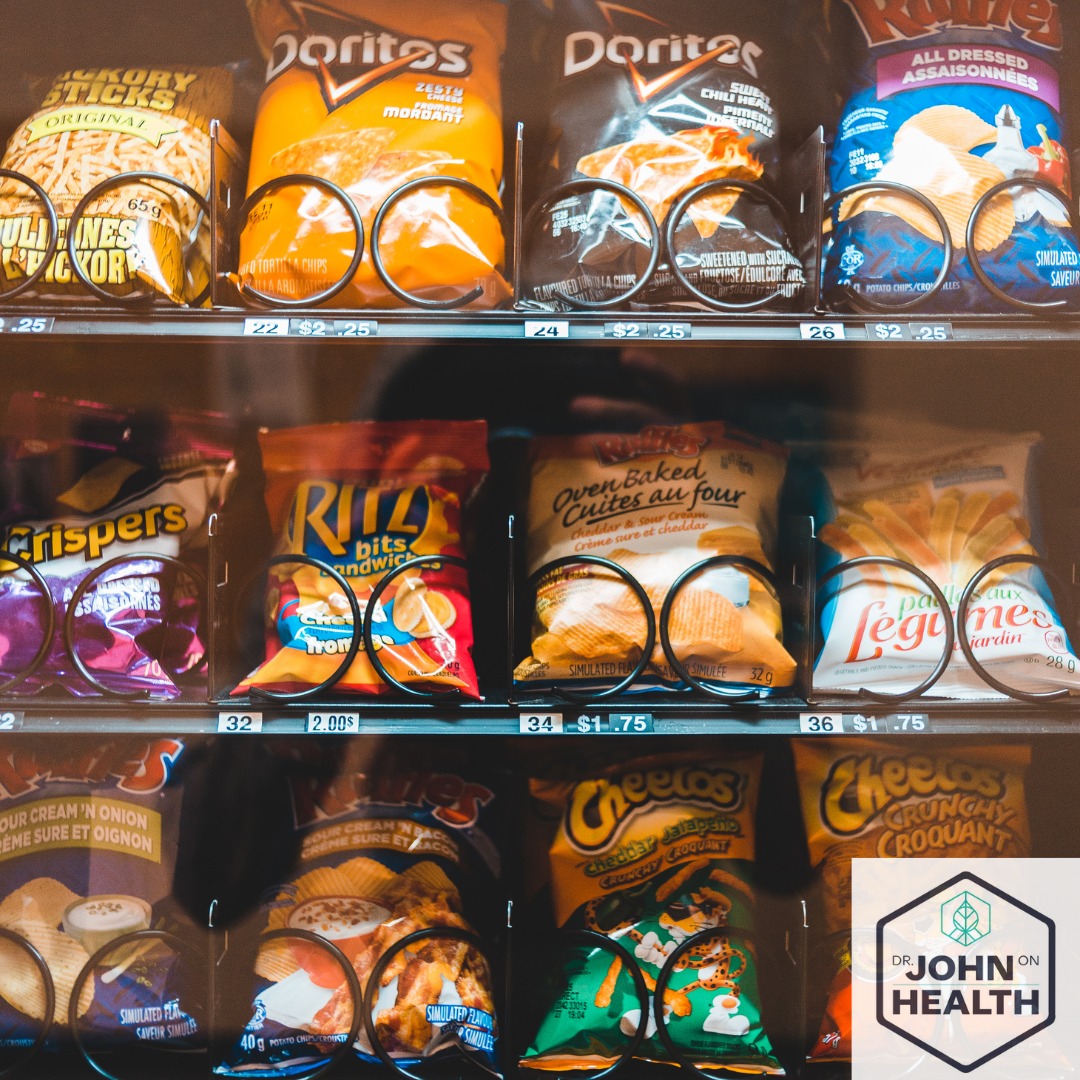
One example is the concept known as the “bliss point.” This refers to the precise balance of ingredients that creates maximum enjoyment without making consumers feel overly full. Products are often designed to keep people reaching for another bite.
Another strategy involves constant exposure.
Food advertisements appear on television, social media, websites, billboards, sporting events, and even schools. Many individuals encounter hundreds of food-related messages every day.
Each message serves as a reminder to eat.Even when the body does not require additional energy.
Research shows that visual food cues can activate reward centers in the brain before a person experiences physical hunger. Simply seeing a commercial for pizza or a photograph of dessert can increase cravings and stimulate appetite.
Food companies understand this. That is why marketing often focuses on emotional experiences rather than nutritional value.

Consumers are encouraged to associate products with happiness, comfort, celebration, friendship, and relaxation. The food becomes more than food. It becomes a psychological experience.
Unfortunately, many of the most heavily marketed foods are highly processed products that provide large amounts of calories with relatively little nutritional value.
These foods digest rapidly, often causing blood sugar fluctuations that can stimulate additional hunger shortly after eating.
As blood sugar rises and falls, many individuals experience renewed cravings and reach for another snack.
The cycle repeats throughout the day.
Consumers often blame themselves for these behaviors. They believe they lack discipline or self-control.
In reality, they are responding to biological mechanisms that evolved for survival and are now being manipulated by sophisticated marketing strategies.
Understanding this distinction is important.
The solution is not greater willpower.
The solution is awareness.
When individuals recognize how food marketing influences their behavior, they can begin making decisions based on their health goals rather than emotional triggers.
This may involve reducing exposure to food advertising, choosing whole foods more frequently, shopping from a grocery list, and learning to distinguish true hunger from conditioned cravings.
The human brain was not designed for today’s food environment. That does not mean people are powerless.
It means they must understand the forces working against them.
The path to better health begins with recognizing that constant hunger is not always a sign that the body needs more food.
Sometimes it is a sign that modern marketing has learned how to speak directly to our ancient biology.
In Beat Unwanted Weight Gain, I explain why food-based solutions change the outcome. When the cause is addressed, the body can begin to heal—and the need for medication can decrease rather than grow.
That is the difference between managing disease and solving it.
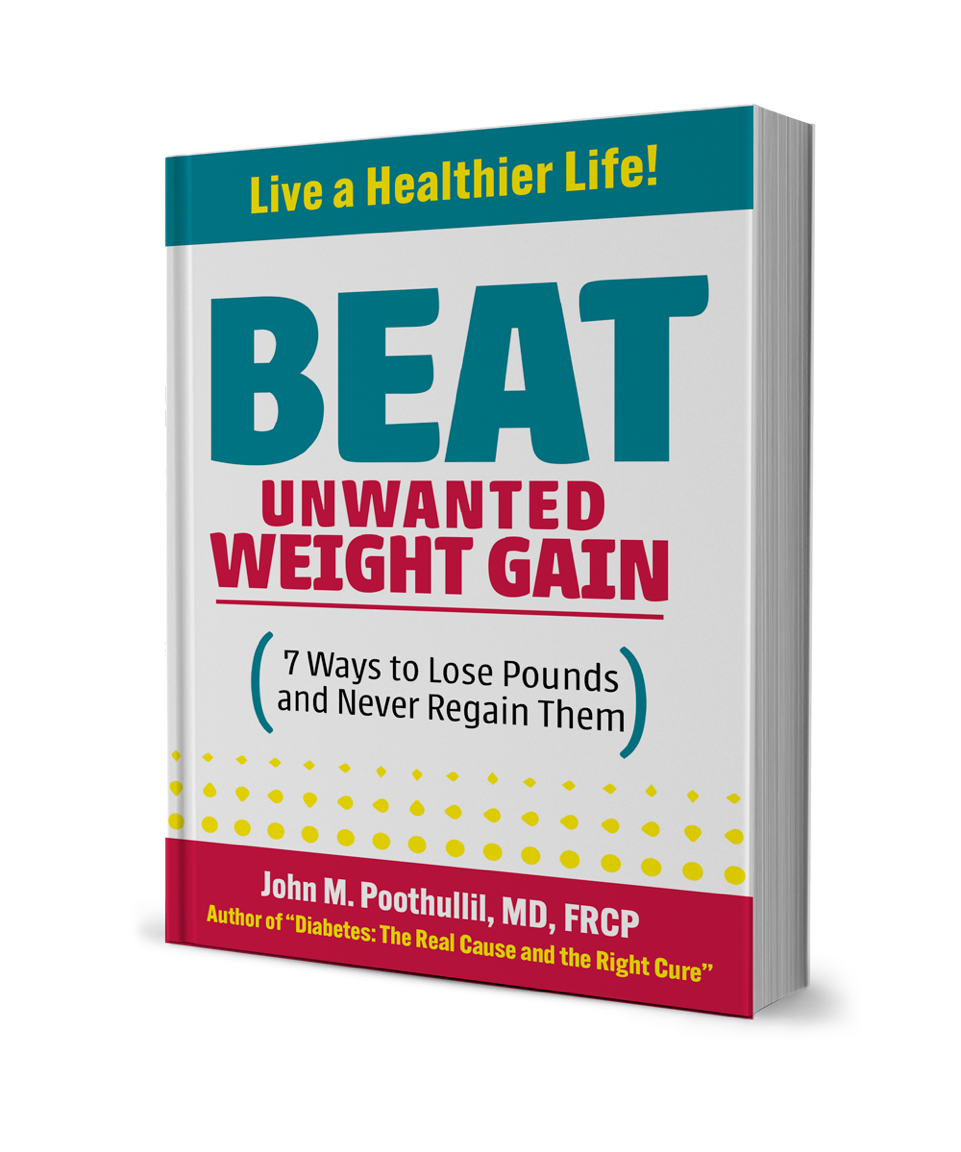
That is the core principle of Beat Unwanted Weight Gain: when you feed the body correctly, the brain stops fighting you.
Weight maintenance becomes possible not because you are forcing it, but because the system is no longer in chaos. Hunger becomes reasonable. Cravings become quiet. Choice becomes possible. Eating becomes enjoyable even without sweetness in every bite.
This is not about perfection. It is about direction. Each bite that nourishes the brain teaches it something new. Enjoyment is more closely related to the duration of nutrient-receptor contact in the mouth than to the feeling of fullness in the mouth. Each day of steady fuel makes the reward cycle weaker, even when you take smaller bites.
You do not have to be at war with food. You can change your relationship with it.
Food can be satisfaction, not temptation.
Eating can be nourishment, not negotiation.
Hunger can be a signal, not an emergency.
When the reward cycle breaks, freedom returns.
Next in the series:
Why Willpower Isn’t Enough
The author of the award-winning book, Diabetes: The Real Cause and the Right Cure, and Nationally Syndicated Columnist, Dr. John Poothullil, advocates for patients struggling with the effects of adverse lifestyle conditions.
Dr. John’s books, available on Amazon, have educated and inspired readers to take charge of their health. You can take many steps to make changes in your health, but Dr. John also empowers us to demand certain changes in our healthcare system. His latest book, Beat Unwanted Weight Gain, reveals the seven most essential strategies for shedding pounds—and keeping them off for good.

Revolutionize Your Approach to Weight Loss
Award-winning author Dr. John Poothullil introduces a life-changing perspective on shedding pounds without restrictive diets. In Beat Unwanted Weight Gain, you’ll discover seven science-based strategies to take charge of your health, make informed choices, and achieve real, lasting results.
Your transformation starts now!

Unlock your body’s natural ability to reclaim health.
Dr. John Poothullil, a physician with over 30 years of Type 2 diabetes expertise, dismantles misleading pharmaceutical-first narratives and reveals how mindful diet and lifestyle changes can reverse the disease. This evidence-based guide empowers you with clear, actionable steps—no lifelong medications required. Learn how to balance nutrients, control blood sugar, and build lasting habits rooted in science. If you’re ready to beat diabetes the natural way, this book is your roadmap to lasting freedom.