This week, I am sharing an article posted on DailyBusinessJournal
For decades, consumers have been told that dietary fat is the enemy. Supermarket shelves became filled with products labeled “low fat,” “fat free,” and “light.” Manufacturers promoted these products as healthier alternatives that would help people lose weight and improve their health.
Yet during the same period, rates of obesity and Type 2 diabetes climbed dramatically.
This contradiction raises an important question.
If low-fat foods were the answer, why did metabolic diseases continue to increase? The answer may lie in what happened when fat was removed from food.
Fat performs several important functions. It contributes to flavor and texture, and acts as a carrier for fat-associated nutrients. It provides fatty acids that are essential for health and well-being and causes the release of hormones that help people feel satisfied after eating. When manufacturers remove fat, they often face a challenge.
The product becomes less appealing.To compensate, many companies add refined carbohydrates, sugars, artificial flavorings, thickeners, salt, and other ingredients designed to restore taste and texture.
The result is often a product that contains less fat but creates greater metabolic disruption.
Many low-fat foods digest rapidly, producing sharp increases in blood sugar levels. The body responds by releasing insulin to move glucose into cells. If blood sugar falls rapidly or remains low for hours, consumers may fee hungry or low in energy and may eat more.
This pattern creates a cycle that can contribute to weight gain rather than weight loss. Ironically, many people consumed larger portions of low-fat foods because they believed they were making healthier choices. A person might eat two servings of a low-fat snack instead of one serving of a regular product because the label creates a perception of safety.
This phenomenon is sometimes called the “health halo effect.” The label influences behavior more than the nutritional reality. The issue extends beyond calories.
Food quality matters.
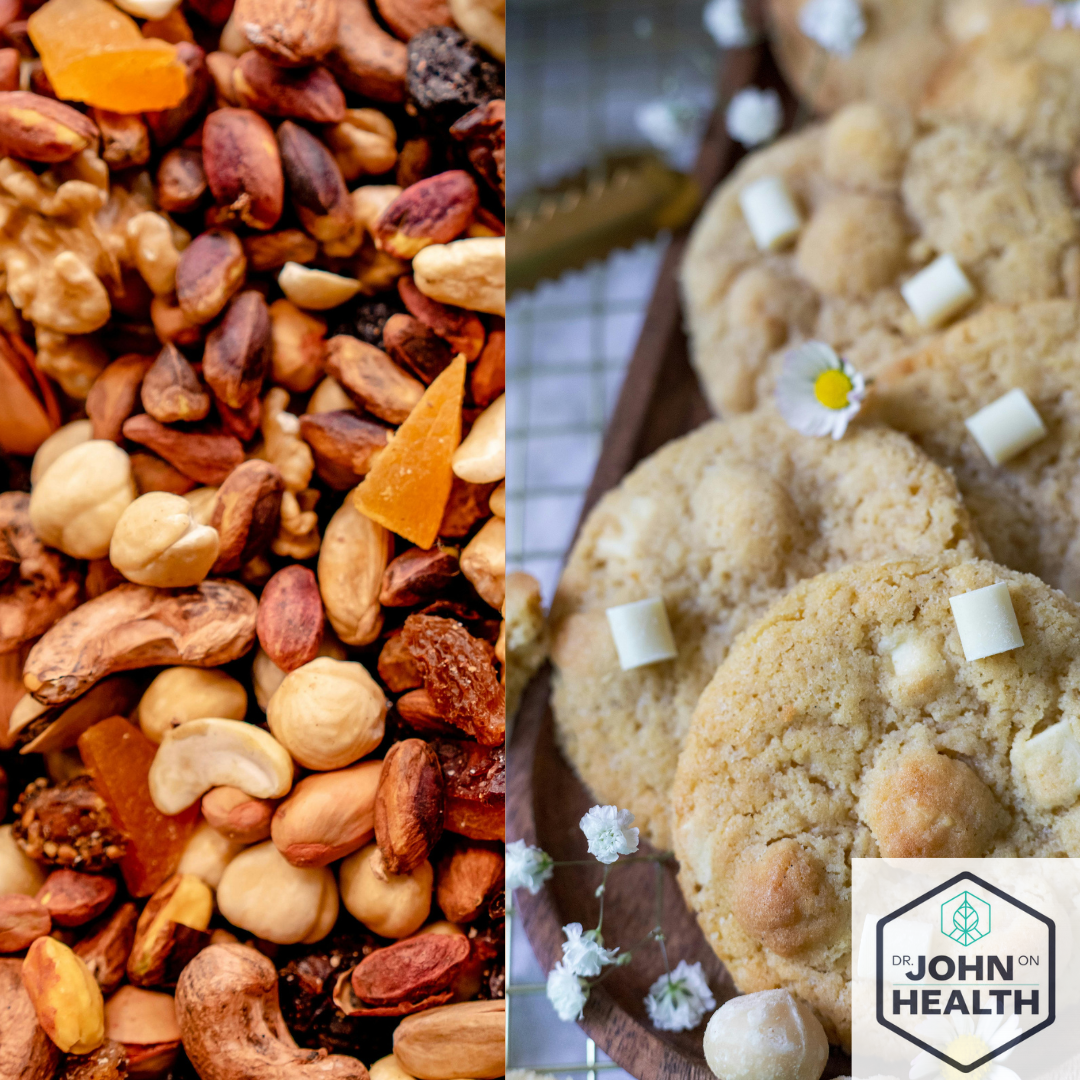
The human body responds differently to a handful of nuts than it does to a low-fat cookie, even if the calorie content is similar. Whole foods contain nutrients, fiber, and naturally occurring fats that support satiety and stable energy levels.
Many processed low-fat products do not. One of the most troubling consequences of the low-fat movement was the unintended increase in carbohydrate consumption.
As fat became the nutritional villain, sugar and processed carbohydrates often escaped scrutiny.
Manufacturers added sugar to countless products while promoting them as healthy because they were low in fat. Consumers were encouraged to fear fat while unknowingly increasing their intake of refined carbohydrates. Today, we understand that the relationship between nutrition and health is far more complex.
The goal should not be eliminating one nutrient. The goal should be consuming foods that support normal biological function. This means focusing less on marketing claims and more on ingredient quality.
Consumers should learn to ask important questions.
How many ingredients does this product contain?
Can I recognize those ingredients?
Would my grandparents recognize this food?
Is it close to its natural state?
Is the salt-to-calorie ratio 1:1, or does it indicate a lower salt content?
These questions often provide more useful information than front-of-package health claims. The solution to obesity and Type 2 diabetes is unlikely to come from another marketing slogan. It will come from a better understanding of how food affects the body.
Low-fat labels may have been well-intentioned. But good intentions do not always produce good outcomes.
Consumers deserve nutrition guidance grounded in biology rather than advertising.
When people focus on real food rather than marketing promises, they often discover that achieving health is easier than they were led to believe.
In Beat Unwanted Weight Gain, I explain why food-based solutions change the outcome. When the cause is addressed, the body can begin to heal—and the need for medication can decrease rather than grow.
That is the difference between managing disease and solving it.
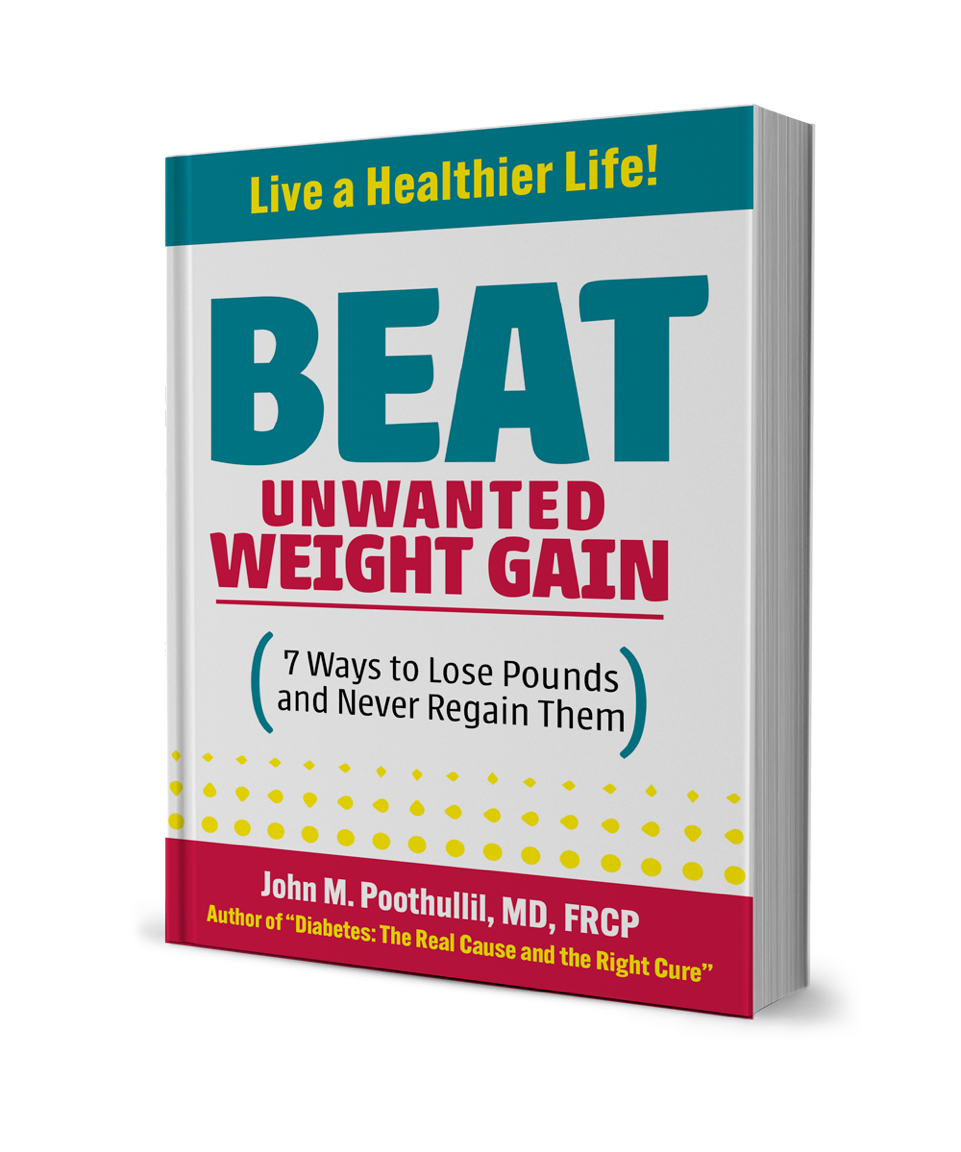
That is the core principle of Beat Unwanted Weight Gain: when you feed the body correctly, the brain stops fighting you.
Weight maintenance becomes possible not because you are forcing it, but because the system is no longer in chaos. Hunger becomes reasonable. Cravings become quiet. Choice becomes possible. Eating becomes enjoyable even without sweetness in every bite.
This is not about perfection. It is about direction. Each bite that nourishes the brain teaches it something new. Enjoyment is more closely related to the duration of nutrient-receptor contact in the mouth than to the feeling of fullness in the mouth. Each day of steady fuel makes the reward cycle weaker, even when you take smaller bites.
You do not have to be at war with food. You can change your relationship with it.
Food can be satisfaction, not temptation.
Eating can be nourishment, not negotiation.
Hunger can be a signal, not an emergency.
When the reward cycle breaks, freedom returns.
Next in the series:
Why Willpower Isn’t Enough
The author of the award-winning book, Diabetes: The Real Cause and the Right Cure, and Nationally Syndicated Columnist, Dr. John Poothullil, advocates for patients struggling with the effects of adverse lifestyle conditions.
Dr. John’s books, available on Amazon, have educated and inspired readers to take charge of their health. You can take many steps to make changes in your health, but Dr. John also empowers us to demand certain changes in our healthcare system. His latest book, Beat Unwanted Weight Gain, reveals the seven most essential strategies for shedding pounds—and keeping them off for good.

Revolutionize Your Approach to Weight Loss
Award-winning author Dr. John Poothullil introduces a life-changing perspective on shedding pounds without restrictive diets. In Beat Unwanted Weight Gain, you’ll discover seven science-based strategies to take charge of your health, make informed choices, and achieve real, lasting results.
Your transformation starts now!

Unlock your body’s natural ability to reclaim health.
Dr. John Poothullil, a physician with over 30 years of Type 2 diabetes expertise, dismantles misleading pharmaceutical-first narratives and reveals how mindful diet and lifestyle changes can reverse the disease. This evidence-based guide empowers you with clear, actionable steps—no lifelong medications required. Learn how to balance nutrients, control blood sugar, and build lasting habits rooted in science. If you’re ready to beat diabetes the natural way, this book is your roadmap to lasting freedom.