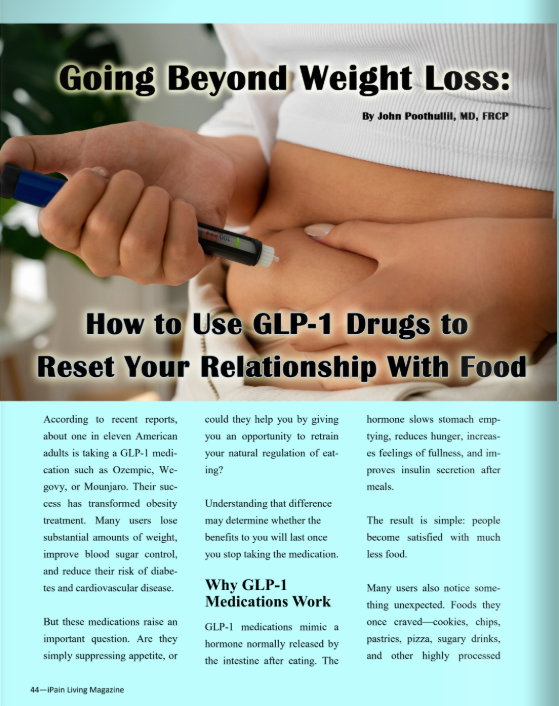
This week, I am sharing an article posted on USAdailytimes.
For years, most people have been told that weight gain and Type 2 diabetes happen because the body somehow “stops responding” to insulin. But that story misses what is really happening. According to a recent article published in the journal Medical Hypothesis, the problem is not a broken hormone. The problem is broken fuel handling.

To understand weight gain and rising blood sugar, we have to understand how the body chooses what fuel to burn.
- Your body runs on two main fuels:
- Glucose, which every cell uses, comes mostly from carbohydrates
- Fatty acids, used primarily by muscles, come from a meal or are produced in the liver.
While neurons and red blood cells prefer glucose, muscles use either glucose or fatty acids, but not equally. An abundance of one fuel suppresses the use of the other. This is basic physiology and is described in the Randle Cycle—the competition between glucose and fat for use by muscles, the body’s main energy producers.

I call this system pivot the Fatty Acid Burn Switch.
When this switch is set one way, the body prefers glucose. When it is set the other way, the body prefers fat.
The problem begins when modern diets overload the system.
Today’s food environment is heavy in refined carbohydrates—bread, pasta, cereal, crackers, snack foods, sweets, and sugary drinks. These foods are quickly broken down into glucose in the intestine. When more glucose arrives in the blood than the body can use right away, the excess is converted into fat and stored.
Every person has a limit to how many fat cells they have and how much fat these cells can hold. That limit is partly genetic and partly determined by the nutritional status during infancy and childhood. Once fat cells approach their storage limit, fatty acids spill into the bloodstream.
When fatty acids rise in the blood, the Fatty Acid Burn Switch flips.
Muscle cells begin burning fatty acids instead of glucose. This is not a disease. It is a normal biological response. If fat is abundant, the body uses it.
But there is a consequence. When muscles are burning fatty acids, they do not take in much glucose. Glucose stays in the bloodstream. Blood sugar rises—not because anything is “broken,” but because cells already have another fuel.
Insulin is still being released in response to elevated blood sugar. It is still signaling cells about the availability of glucose. But cells do not need much glucose because they are running on fat. So the basal glucose level remains high in the blood. The glucose level is further elevated after a meal of processed foods, which are loaded with refined starch, sugar, salt, and oils. This creates the familiar pattern of high blood sugar and high insulin at the same time—not because the hormone failed, but because of an abundance of glucose.
Although plenty of glucose and fatty acids are available, a lack of other needed nutrients prompts the control center to respond by increasing the sensation of hunger.
This creates a powerful loop:
Eat refined carbohydrates → glucose rises → insulin rises → fat stays stored → cells burn fatty acids → glucose stays high → brain senses low needed nutrients → hunger increases → eat more carbohydrates
The net result is increasing body weight and blood sugar level. This is not a willpower problem.
It is not laziness.
It is not a moral failure.
It is a nutrient-management problem.
The body is being forced to juggle two fuels in the wrong order—first flooded with glucose, then flooded with fatty acids—and the switching system becomes stuck.
This is why weight gain and high blood sugar often appear together. When fat storage is overloaded and fuel switching is disrupted, the body cannot regulate hunger, energy, or blood sugar.
Calling this a hormone problem hides the real cause. The real cause is fuel overload—too much of the wrong fuel, for too long.
So how do you fix it?
You do not fix it by forcing more insulin into the system. That may lower glucose temporarily, but it does not unload fat cells, reset the fuel switch, or restore normal fuel balance.
You fix it by changing the nutrient mix.
When the diet shifts away from refined carbohydrates and toward nutrient-dense whole foods, several things begin to happen:
- Less glucose floods the bloodstream
- Insulin does not stay high all day
- Fat cells can slowly release stored fat
- Fatty acids in the blood begin to fall
- The Fatty Acid Burn Switch can reset
- Cells can use glucose appropriately again
As this happens, hunger becomes calmer. Blood sugar becomes steadier. Energy becomes more stable. The brain no longer feels trapped in emergency mode.
This is not magic. It is biology working as it was designed to.
When you stop overwhelming the system, the system begins to heal
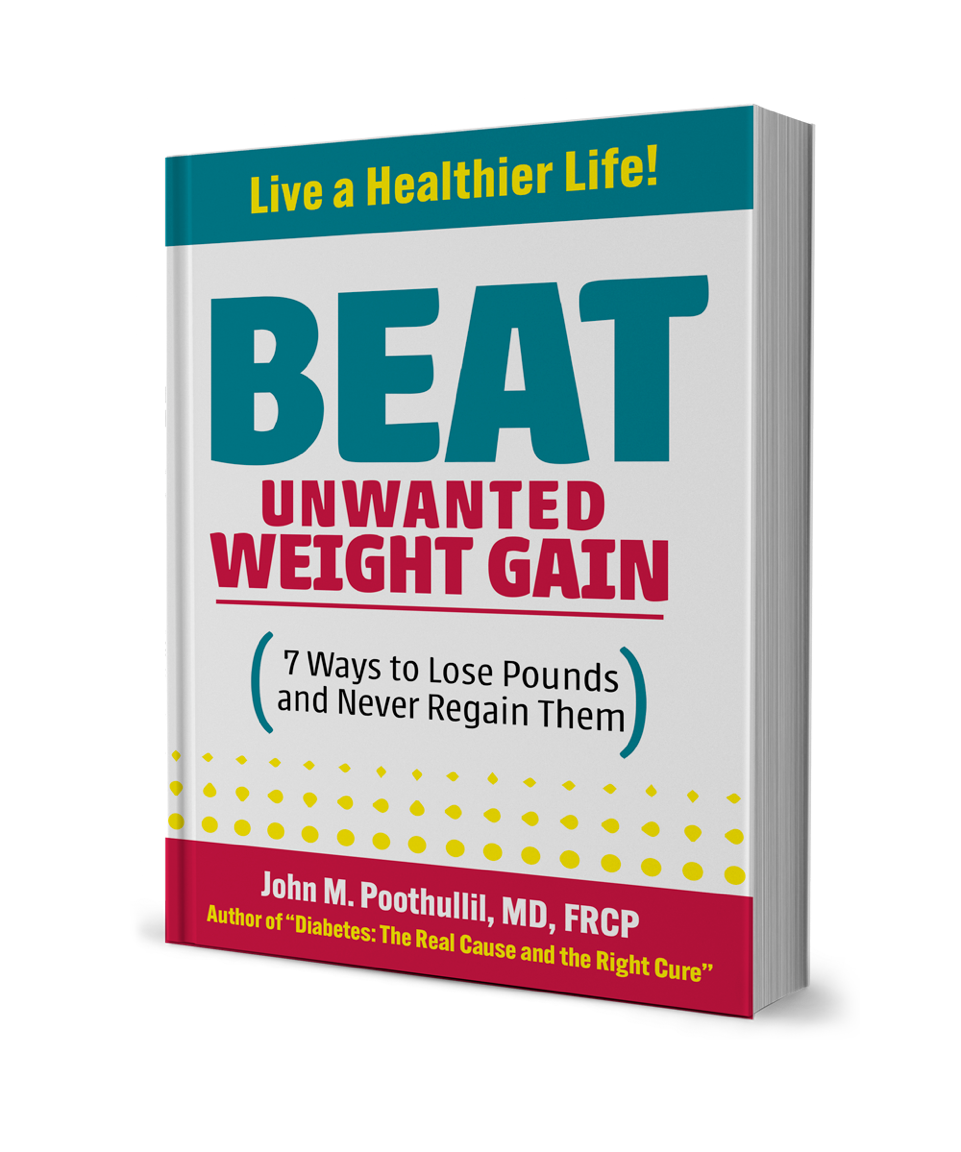
In Beat Unwanted Weight Gain, I explain that weight gain and rising blood sugar are not separate problems. They are two signals of the same underlying issue: fuel overload and broken fuel switching.
The answer is not shaming.
It is not punishment.
It is not starvation.
It is not fighting your body.
The answer is restoring the right nutrient balance so your body can get what it needs by taking small bites, chewing longer, eating less and enjoying more, while performing what it was built for—spend energy, regulate hunger, and protect your physical and mental wellbeing.
When you understand the Fatty Acid Burn Switch, you stop blaming yourself—and start fixing the real problem.
Next in the series:
Breaking the Reward Cycle
The author of the award-winning book, Diabetes: The Real Cause and the Right Cure, and Nationally Syndicated Columnist, Dr. John Poothullil, advocates for patients struggling with the effects of adverse lifestyle conditions.
Dr. John’s books, available on Amazon, have educated and inspired readers to take charge of their health. You can take many steps to make changes in your health, but Dr. John also empowers us to demand certain changes in our healthcare system. His latest book, Beat Unwanted Weight Gain, reveals the seven most essential strategies for shedding pounds—and keeping them off for good.

Revolutionize Your Approach to Weight Loss
Award-winning author Dr. John Poothullil introduces a life-changing perspective on shedding pounds without restrictive diets. In Beat Unwanted Weight Gain, you’ll discover seven science-based strategies to take charge of your health, make informed choices, and achieve real, lasting results.
Your transformation starts now!

Unlock your body’s natural ability to reclaim health.
Dr. John Poothullil, a physician with over 30 years of Type 2 diabetes expertise, dismantles misleading pharmaceutical-first narratives and reveals how mindful diet and lifestyle changes can reverse the disease. This evidence-based guide empowers you with clear, actionable steps—no lifelong medications required. Learn how to balance nutrients, control blood sugar, and build lasting habits rooted in science. If you’re ready to beat diabetes the natural way, this book is your roadmap to lasting freedom.